 A lot is being said about mobile marketing, mobile advertising, capturing “consumer’s” imagination (if not only their eyeballs). And everyone says: “yes, I get that, social, mobile, always-on, always with them, cool!” Online ad spend outstrips TV already (at least in the UK), and mobile is arguably the next big thing; it is so much cooler, too: personal, accessible, always-on!).
So how do you execute? Banner ads? Text ads? Virals? “Ah, yes, virals are cool, I heard about them!”
There’s a busload full of mobile advertising networks out there, blind, premium blind, premium (check here for a great overview). And what do they do? Well, banner ads, text ads, the usual. Does it work? Anecdotally, sort of… Most developers and publishers I know that engage in this sort of activity make their money in two ways: either they are being commissioned by an advertiser to do it (good because you’re being paid!) or they use it as complementary (sic!) revenue; on a stand-alone basis, it would not feed them.
Why is the conversion not soaring? After all, mobile allows for unprecedented targeting (IF you do it. See here how not to do it): users have their phones always with them, it is always on, you can fall back on historical behaviours, etc, etc.
I would posit that it is because most advertisers still think of it in terms of consumers: beings that sit on the other (sic!) end of the message and who consume whatever I, advertiser, want to tell them. It is not, alas, true engagement, and this is where arguably the future lies.
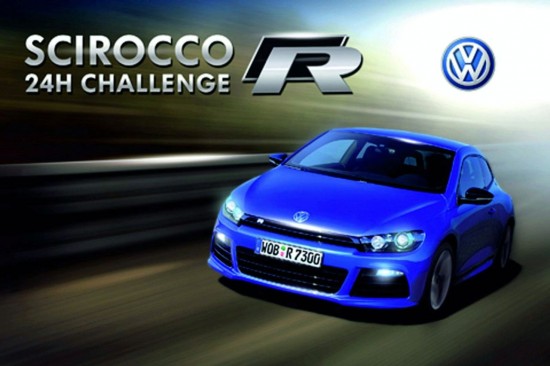 So how do you engage? Many options. A good one is by being sincere (Zappos, the online shoe retailer that was recently acquired by Amazon, is a great example). Another one is by engaging rather than preaching. Not so easily done with banners. Easier done with something more interactive. Such as – an example – games and apps. On Apple’s app store, there are some great successes for this type of thing: German car manufacturers seem to be good at this! Audi did one, German developer Fishlabs did a couple of games for Volkswagen, Artificial Life for BMW, and then there is Waterslide Extreme, which is basically a Barclaycard ad (and badly executed: they could so easily have accommodated the RFID function, which the original cinema and TV ad is meant to promote; alas, they ignored it!) which despite its shortfalls was incredibly successful. But these are exceptions to what I think might well become the rule. On the app side, there are e.g. Pizza Hut and Gap that were recently featured (for free!) in Apple ads. Wow!
It seems obvious when you think about it: games truly engage (users – not consumers! – interact with them actively) and they can do so in a much more subtle manner (less invasive). At the same time, the user (not: consumer) spends a lot more time with the brand than with a banner ad.
It is, alas, a space of unknown dangers and unprecedented adventure: never-before seen creatures (scil. formats) and strange folks (scil. developers) roam weird landscapes (scil. mobile platforms). This is how brands and their agencies often experience mobile. They "get" it, don’t get me wrong but they are still fairly unfamiliar with it. And because the big pots of gold sit with the brands and they don’t want to risk cutting access, they’ll rather (and rather too often) stick with what they perceive as the trusted old paths. It’s not so good then that the freshest fruit grows on the trees in this new land and no longer in the wastelands of banner ads…
Watch this space then. It will only be a question of time (I hope) before we’ll be seeing a new wave of non-intrusive, interactive, fun brand engagement. And games and apps will lead the way!

 On today’s is a stunningly beautiful Indian summer morning in England’s North-West and I have been indulging in the
  Consolidation in the mobile marketing space: German mobile marketing group