
 I have been dealing with movie and TV licenses for longer than I care to remember, and the pattern (with few exceptions) always was the same: the licensor comes to you saying that, because they are offering you (the publisher) a well-known movie/TV/entertainment property that everyone and their dog are fans of, you should pay them a healthy amount of money (either up-front or as a minimum guarantee against revenues) for them to grant you that license. This means that the publisher starts at a point of significant loss: a six-figure guarantee (and I’ve seen larger ones, too), six-figure production costs and little mitigating the risk that the title might totally tank.
However, in the “old” world (scil. pre-app stores “as made famous by the iPhone”), people considered themselves to be lucky to get their hands on a well-known property as it would at least guarantee one thing, and that was “deck placement”, namely a good coverage across those coveted feature slots on carrier decks around the world. If you had the distribution network and delivered the package, you had a decent chance of making your money back (this even worked with a rotten game that was based on a movie license for a hilariously successful movie).
All new in the App Store World
Enter the “new” world of OS-driven app stores. The formidable Jeremy Laws published estimates of how movie & TV-license-based games were faring on the Apple App Store, and the results are – though not horrendous – humbling indeed. Only a good half dozen titles broke into the top 20 (by sales) in all of 2010. Not a single one ranked in the top 150 (!) of the top-grossing category. The average revenue was estimated by him to hit $1.3m. Now, don’t let yourself be blinded by this 7-figure amount: top-tier movie titles don’t often come cheap and the games behind them need to be reasonably faithful to the blueprint the movie gives you. Otherwise, the IP owner will not approve the game and the revenues will be, well, non-existent. Add to that a revenue share that the IP owner will earn even if the aforementioned guarantees are being settled, it slims down the margins fairly dangerously.
IP Doesn’t Pull as It Used to, or Does It?
The big news is however that the old formula big license + some sort of game = exposure does obviously no longer work (at least not in the same semi-automated way as was the case). With decent relationships into Apple, a good game for a good movie might still get a feature slot somewhere. However, the fact that none of the titles sampled in the above blog post were anywhere close to the top-grossing list shows that the pulling power has greatly diminished. How’s that?
Movie studios and TV production houses (and not only them: sports clubs are good at that, too) traditionally view a license as secondary exploitation of their intellectual property. The rule of thumb for a movie was that the box office should recoup the production costs and the secondary exploitation (DVD, TV rights, merchandise and, well, licenses) would provide for the profits. It is very much an analogue approach in which a scarce good is and will remain scarce unless its producer will (can?) change that scarcity. It does not translate well to the fluidity of a digital environment (with, normally, many more alternatives to access and consume media). It worked in old-world mobile because that ecosystem functioned very similar to a vertical supply chain. No more.
Game publishers suffer (or at least some of them) suffer from a similar perception issue: we have always done it that way… Well then…
A License is a Brand Extension
However, the huge differentiator is the ability to use (and exploit) the interactivity digital media offer and use it as a marketing and promotional channel. Now, a simple adaptation of the movie’s theme into a (traditional) game will not cut this. But more innovative approaches that utilise the ability to communicate with fans opens so many more doors to a) maximise the core proposition (selling cinema tickets, DVDs, digital downloads and such like) and bind people to the brand for longer (which is a potentially huge win for the cyclical movie business).
So, Jeremy’s charts “only” show us that only a few (if any) of the IP owners (and, arguably, publishers) “got” that so far. The opportunities for such an approach are huge.
What anyone who speaks to rights owners over licensing movie and TV properties should do though is take a copy of that chart for your negotiations. And then tell them how they should really treat it: it is a brand extension that leverages the core IP rather than a meagre spin-off license! Seen this way, there is significant opportunity for studios to secure their primary revenue streams and build a new rapport to their audiences. In particular the latter surely is of a value that exceeds six-figure guarantees anyhow.
So I guess we have to thank the iPhone again for breaking open yet another paradigm. And it was time for that, too!
 This is a shout-out to everyone in the North-West (of England, that is) who might be interested in a Mobile Monday chapter in Manchester (
 On 28 and 29 October 2010,
 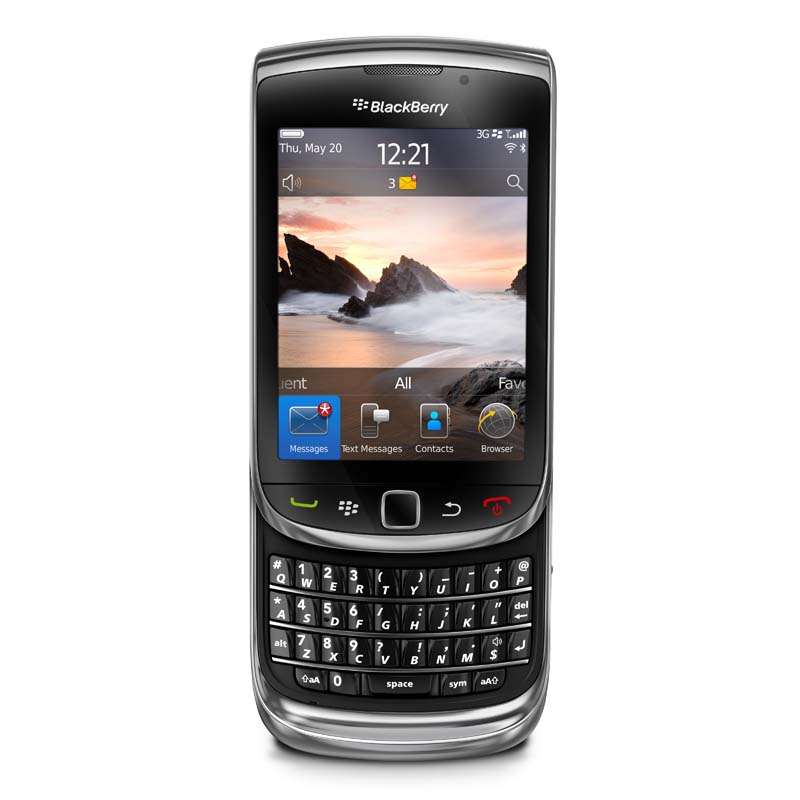 Step 2: tariffs. With an unhealthy amount of traveling abroad to do, my main cost item on phone bills regularly is data roaming, so this is where my sensitivity lies (because of the eye-watering bills I regularly get, I am not bothered about 600 or 900 UK any-network minutes costing £5 more or less), and it became clear quickly: Orange, T-Mobile and 3 are out of the race (their charges are even higher than O2’s). Vodafone looks good (about 1/3 of O2’s rates) but O2 claims to still have their Blackberry tariff for international data roaming (although I struggled to find it on their website). Now, THAT would bring my bill down by a cool £150-200 a month or so. Enter Blackberry. The
 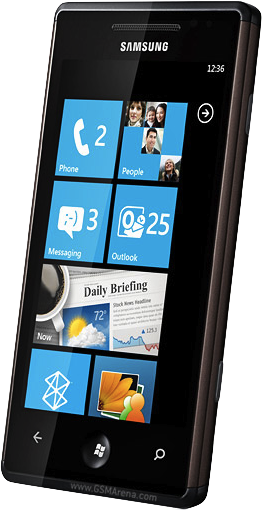 And then I started to compromise: anything exclusive to Orange, T-Mobile or 3 was out of the question (because data roaming is pretty much a killer for me), which boils it down to Blackberry and O2 or any of the others on Vodafone (which would mean that I couldn’t get what started being my favourite, the Samsung Omnia 7). Hang on: I compromise over some shoddy pounds? Is the handset then not so all important as one might have believed when reading all those blogs, news blitzes and tech publications over the last months?
 If you are in London (or looking for a rather compelling excuse to come over), you should visit
  At the recent
 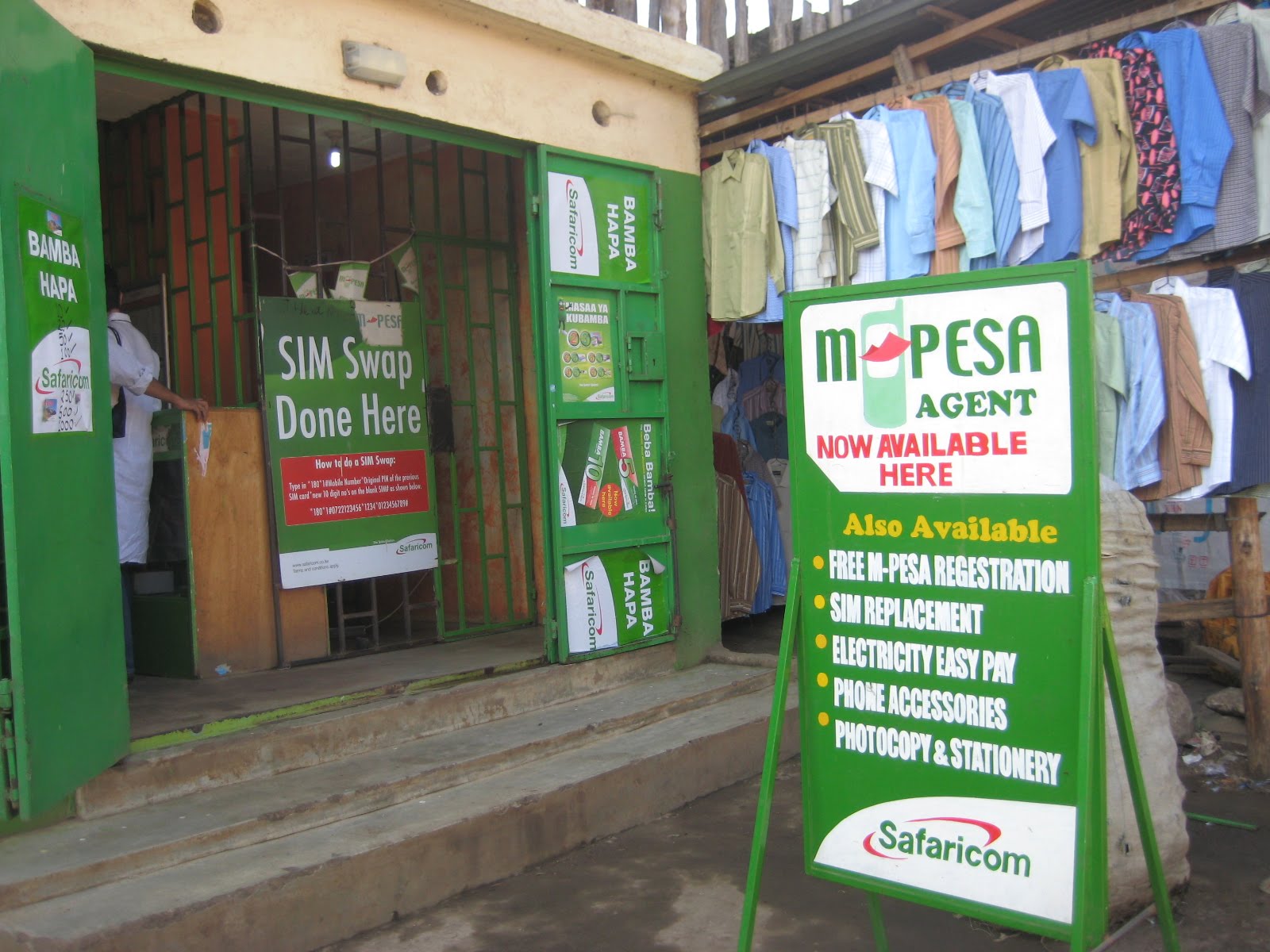 It works basically like top-ups for prepaid phones: one party sends money to another one using the recipient’s phone number (and the sender’s PIN). The recipient will be notified by SMS and can then either use it as phone credit or receive a pay-out through an agent. Interestingly, Safaricom partnered with thousands of merchants, groceries, etc because the banking system in Kenya’s rural parts is so thinly developed that people could not have used it appropriately. Apparently, a lot of people do not actually take the cash out but keep the balance in the phone (for top-ups or just for keeps). This means that, as an aside, Safaricom is allegedly saving $12m for not having to print and distribute top-up cards for its prepaid customers.