
 Mobile advertising firm AdMob has released some numbers on ad impressions on iPhone vs other smart phones and the result is, well, that Apple is basically a 50kg flyweight boxer competing against Sumo wrestlers 5 times it weight (8% smartphone footprint but more than 40% ad impression share).
Now, very (!) crudely put, this does not mean that it is 8 times as successful on mobile advertising. It does mean however that users are 8 times more likely to use applications where ads are being displayed. Here’s some of their stats:
iPhone Apps (in AdMob’s network):
- The top iPhone apps had more than one million users in the UK in May 2009
- 5% of iPhone apps had more than 100,000 active users in May 2009
- 14% of iPhone apps had between 10,000 – 100,000 active users in May 2009
- 27% of iPhone apps had between 1,000 – 10,000 active users in May 2009
Mobile web browsing market in May 2009:
UK:
- 48.7% of ad requests came from Apple handsets (iPhone and iPod Touch)
- 28.4% of ad requests came from the iPhone
- 282,493,761 ad requests from users in the UK
US:
- 45.1% of ad requests came from Apple handsets
- 25.7% of ad requests came from the iPhone
- 3,804,373,544 ad requests from users in the US
Global:
- 31.4% of ad requests came from Apple handsets
- 18.6% of ad requests came from the iPhone
- 7,997,946,483 ad requests from users around the world
Interestingly, MEF and MBlox Chairman Andrew Bud (who is being quoted at the end of the article) said that Apple’s app store compared to Nokia’s Ovi Store like a niche boutique to Tesco (or, if you are in the US, Walmart). Is that so? No it is not. And here’s why:
Apple is a boutique with more items on sale than a Tesco megastore. And its (less) customers buy trolleys full of wares. Moreover, their high-spending customers leave the store with a spring in their step and committed to come back the next day.
Nokia is a super-store with gazillion potential (!) customers where 1 in 20 stroll through aisles stocked with not so cool things and most of them walk out without buying anything and, on top of that, feeling fairly downtrodden and frustrated about what was on offer.
So, for the time being, I’d choose the Apple boutique. If that choice changes will depend on whether Nokia will manage to stock their shelves with more compelling wares and improve on their tills (less queuing, more bang for your buck, etc). Oh, and get those cold strip-lights replaced, please!
 Here’s a tale of the brave new world of the web, the collaborative, open, participatory one. It starts harmlessly. Vodafone Germany did something new: a new image, a new target group, a new PR format… The formal pointer was the full integration of
  Now, I am rarely (ever?) writing about personnel changes but this one probably deserves a note: Greg Ballard,
 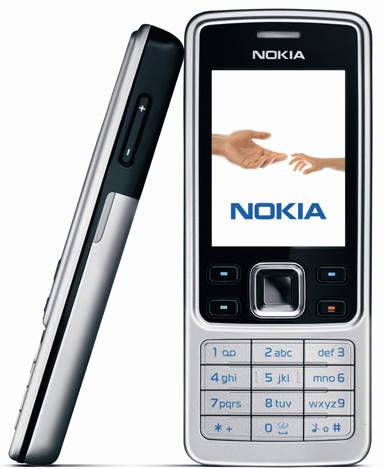 Here’s our monthly update on the best-selling phones as derived from accessory sales by Swedish company
  AR stands for Augmented Reality and it is one of the dreams of game developers: merge the virtual and real worlds in a game and explore new horizons. This has been a pretty futuristic feature until recently: shown off at trade shows but never really seeing the (commercial) limelight. And even in the brave new world of the iPhone, it doesn’t fly – yet.
 It is early July and we have not been reading analysts’ estimates on how much Apple may or may not make from application downloads through its app store for at least, what, 2 weeks (here’s a piece from a while ago). High time for another round then…
  Now this is