
A couple of weeks ago, I looked at the power of platforms. In that post, I tried to trace the line from the shift of platform power and suggested that (in mobile) after carriers and operating systems, we would now be looking to services and applications. I specifically pointed out the shift that Apple’s initial break-up of the first powerhouse, the network operators (or carriers if you prefer that term) was under threat from Android, which itself struggled with a number of things.
Android has the challenge of platform fragmentation (and Tim Cook had some scathing remarks and stats as to that tonight). So our current poster-boy rushes to make use of the time lent to it whilst the others are busy with fragmentation (Android) and new platform roll-outs (Microsoft and, yes, BlackBerry).
Apple Reacts
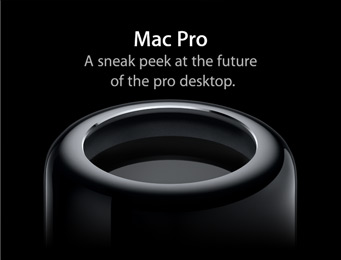 Now, today, Apple showed us that it understands this thing (unless it was incidental but I doubt that): the products it presented at its annual WWDC weren’t so mindblowing if you’re not an out-and-out fangirl (OK, maybe with the exception of the new Mac Pro; that was pretty cool). But aside from that, they showed overdue UI adaptations and slick weather apps plus they borrowed a little bit from Microsoft (gasp!) on the “flat design” (which shouldn’t have been that big a surprise as I’m sure this was the first time that Sir Jony Ive looked longingly to Redmond) as well as from BlackBerry (even bigger gasp!) on the innovative (and insanely useful) gesture controls, which make life a lot easier on a small screen (and I would argue that the BlackBerry Hub is a whole lot more useful than the bits and pieces Apple showed us tonight).
Tight Service Tie-ins
However, the big one was not in these rather cosmetic changes (unless you believe the “biggest, best, boldest” ever rhetoric of the Apple execs. It was deeper and more profound but also such that one doesn’t necessarily want to harp about it all that much (and you’ve got to hand it to them: boy, do they run product presentations well). If you watch the video of the presentation again, you will realise this was mostly about tying in services and applications: Air Drop, iWork on iCloud (might work if they only would get Pages and Numbers up to scratch; hyped about Keynote though, so I can finally force my 80 MB decks down people’s throats on Windows machines…), iTunes (with radio or not), improvements on mail, calendar, etc., sharing options that include Facebook and Twitter out of the box, etc, etc all do one thing: they tie into the platform better. They deliver additional hooks that make it harder to switch to someone else. And that is smart.
This will work as long as there is no application or service platform evolving that may choose someone else – perhaps (gasp!) even to the exclusion of iOS. Because, you see, Apple for the time being only (!?) leverages its current OS platform power. It “only” makes use of the might it has from the previous regime in order to carry it into the next one. It does so better than most (all?) at the moment but it is still a crutch, and a crutch won’t win you a race. And hence I will sit waiting and watching. Because OS is not the last frontier of platform domination!
#justsayin’
 For a while, this meant people were taken down a path where everyone thought that the biggest innovation in mobile tech was building ever smaller phones. That was until people realized that a minute screen and tiny buttons weren’t really that helpful after all. I remember holding the
 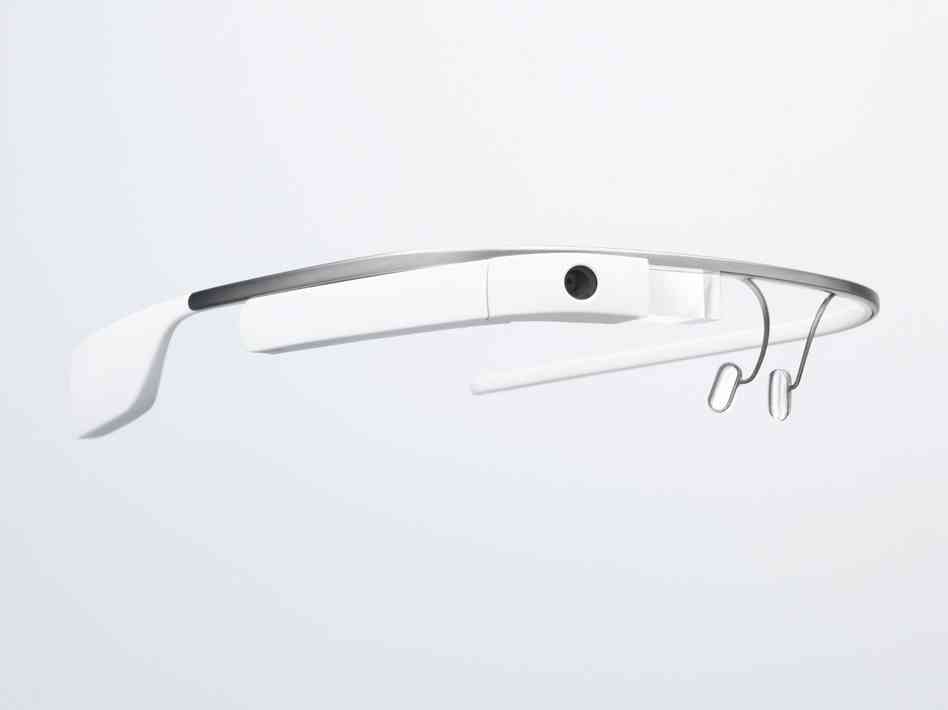 In recent weeks, the (geek) world was in awe (or joking about) Google Glass and envious of (or mocking) every one who had one. And, of course, media, politicians and assorted doomsday prophets were quick to point out the dangers and challenges of the device: privacy concerns, etc. etc.
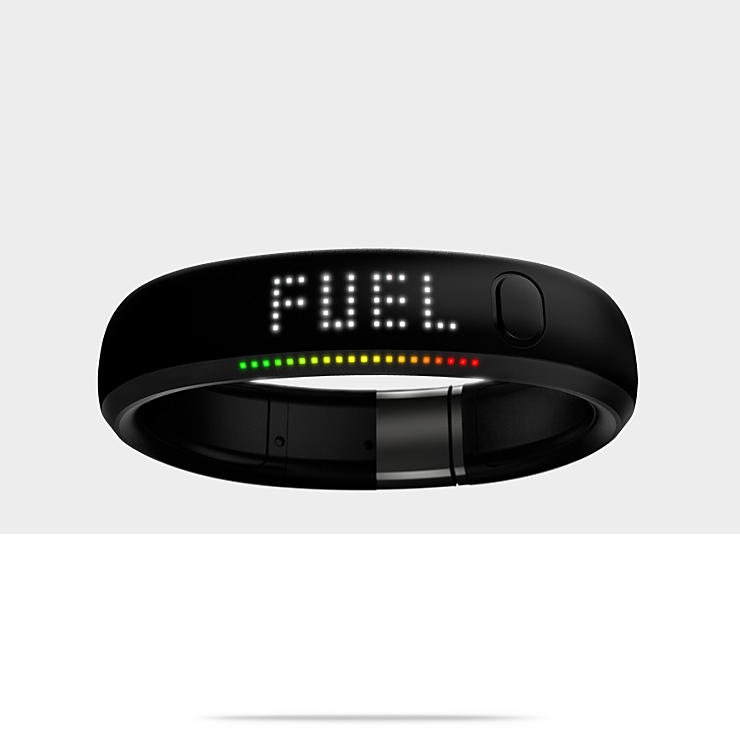 There is of course a lot more going on in the wearable space: people look at smart fibres that could be used in clothes that could charge devices; any number of sports companions are already in the wild and – judging by my Facebook stream – prosper.
  This is not specifically about mobile. It is more about the blinkered view of people living, working, reflecting on certain constrained areas in this world (and, no, for once I am not looking at you, Silicon Valley). And it is a cry for my adopted country (and county) to start getting things right…
 The thing is this: the NW of England boasts a few goodies (and the McLaren F1 dealership down the road in a town of 15,000 is not even one of those – maybe it becomes one after your big exit): the University of Manchester has the Kingdom’s largest Physics faculty, there’s also a UI lab and the neighbouring universities in Salford, Lancaster, etc. all have run digitally-focussed courses for quite some time with great success. Manchester now also has MediaCityUK (yeah, someone with an English degree should have had a look at that name) with the BBC and tons of media production being there. The region also is home to some of the revolutions in video games (Psygnosis, Rockstar Leeds, Infogrames, EA’s studio in Warrington [now closed] and Travellers Tales [of LEGO Star Wars fame]) all being here. Chillingo is here. I-Play and Mforma were (but then, they “were” anyway). With Astra Zeneca et al, there is also “real” business up here. Tons of agencies etc. All this produced a surprisingly large sector or digital citizens “oop North”. When you sit in the train to London, there are plenty of fancy Macs being hammered on to get the latest RFP, pitch, proposal sent out via the train’s dodgy WiFi en route down South.